Dilapidation Reports Hobart — Protect Your Property Before Construction Starts
We connect you with qualified building surveyors who document the existing condition of your property before nearby construction, excavation, or demolition begins.
Qualified Surveyors
Licensed, experienced professionals
Comprehensive Reports
Detailed photos and written records
All Hobart Areas
Greater Hobart and surrounds
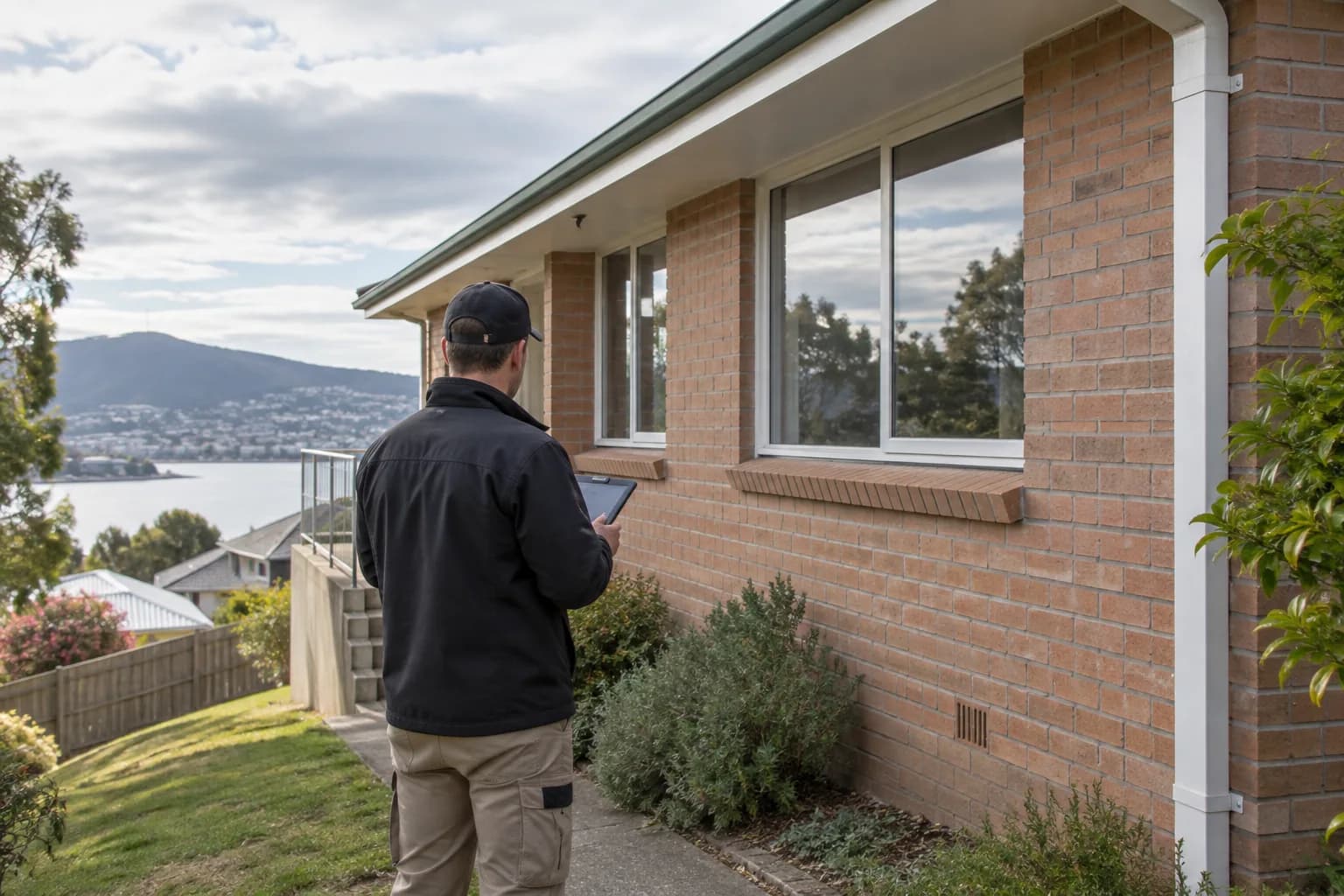
Construction Next Door? Your Property Could Be at Risk
When construction, demolition, or excavation begins near your home or commercial property, the vibrations, ground movement, and heavy machinery can cause real structural damage. Cracks appear in walls. Floors shift. Fences lean. Driveways sink. Windows and doors no longer close properly. These problems can develop gradually or appear suddenly, and without proper documentation of your property's condition before the works started, proving that the damage was caused by the construction becomes extremely difficult.
A dilapidation report is a formal, independent record of your property's existing condition, captured before construction activity begins. It includes detailed written descriptions and hundreds of high-resolution photographs covering every accessible area of the property. This document serves as your baseline evidence, and if damage does occur during or after the neighbouring works, you have a clear, timestamped record to support your claim.
Without this report, disputes about construction damage often come down to one party's word against another's. Insurance companies, builders, and councils all prefer objective evidence. A professional dilapidation report provides exactly that, giving you a strong legal and practical foundation if you need to pursue a claim.
In Hobart, where heritage buildings sit alongside modern developments, steep terrain amplifies ground vibration, and a growing number of construction and infrastructure projects are underway across the city, dilapidation reports are more important than ever. Whether it is a knockdown-rebuild next door, a new apartment block, road widening, or utility works in your street, protecting your property starts with proper documentation.
How We Connect You With the Right Surveyor
Finding a qualified building surveyor who understands dilapidation reports, has experience with your property type, and is available when you need them can be time-consuming and stressful, especially when construction next door is about to start. That is where we come in.
We maintain a network of qualified, experienced building surveyors across Greater Hobart. When you contact us, we assess your situation, understand the type of property involved and the nature of the nearby works, and then match you with a surveyor who is best suited to your needs. The surveyor we connect you with operates independently. They conduct the inspection, produce the report, and deliver it directly to you. Our role is to make the connection simple, fast, and stress-free.
Want to understand more about what a dilapidation report includes and why it matters? Read our comprehensive guide on what a dilapidation report is or explore our cost guide to understand typical pricing in Hobart.
Three Simple Steps to Protect Your Property

Inspection and reporting process
Contact Us
Fill out our quick online form or give us a call. Tell us about your property, its location, and the construction or development activity happening nearby. There is no obligation and no cost for the initial enquiry.
Matched With a Surveyor
We review your details and match you with a qualified building surveyor from our network who has experience with your property type and is available in your area. The surveyor contacts you directly to arrange the inspection.
Receive Your Detailed Report
The surveyor conducts a thorough on-site inspection, documenting every room, external surface, boundary element, and any existing defects with photographs and written descriptions. You receive a comprehensive, professionally formatted report.
Dilapidation Report Services in Hobart
Whatever your property type or situation, we connect you with the right surveyor for a thorough, professional dilapidation report.
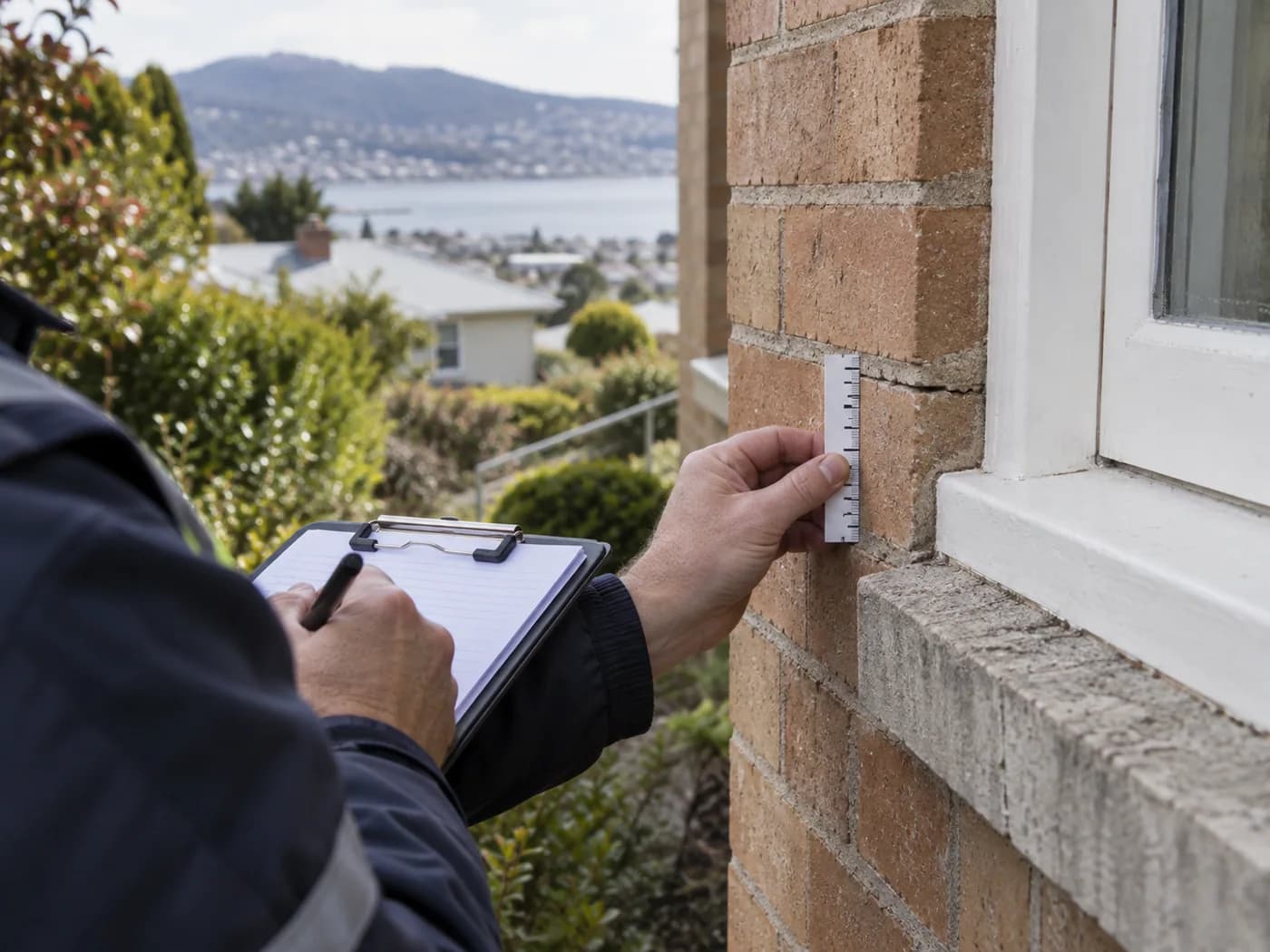
Residential report services
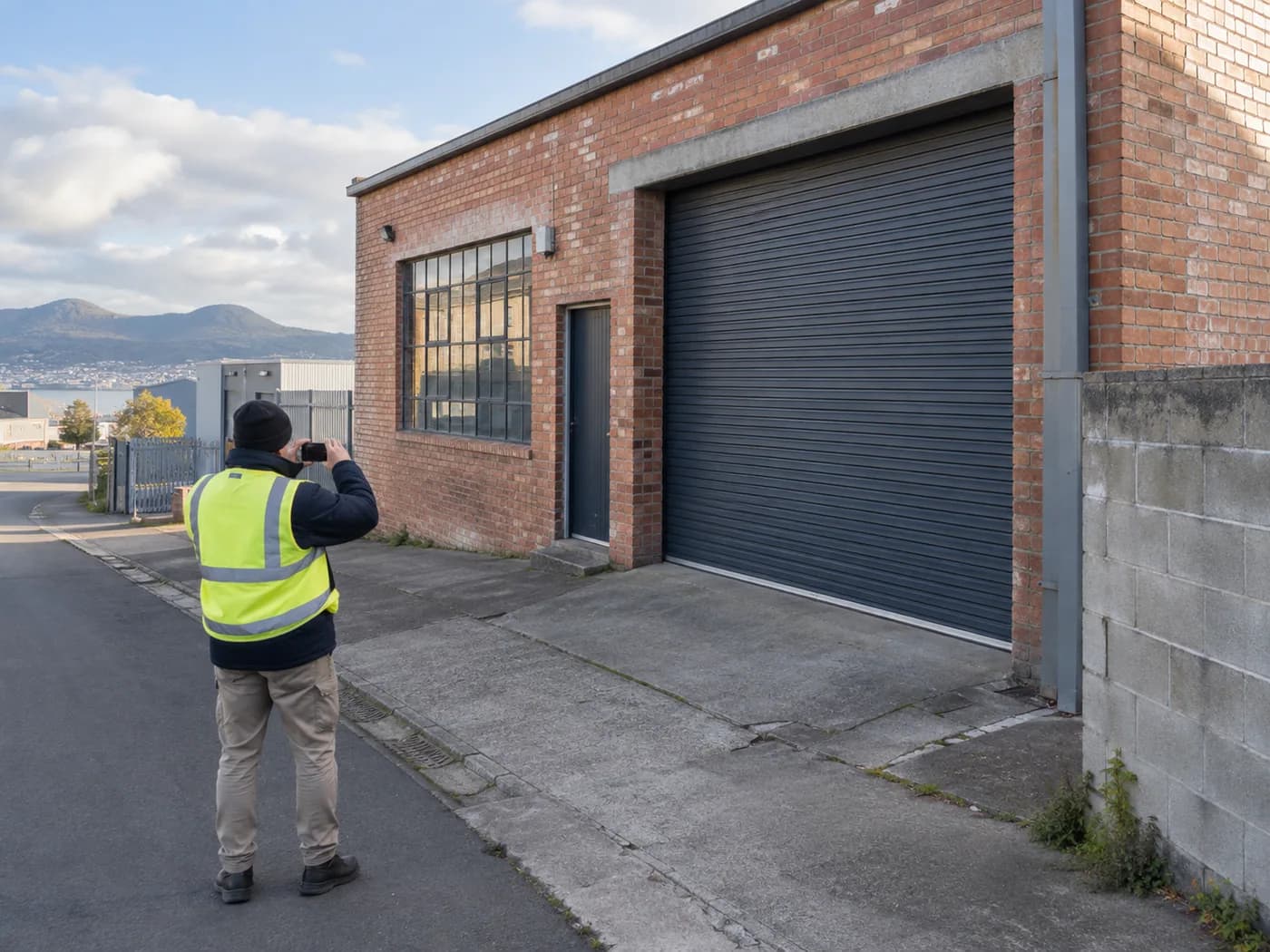
Commercial report services
Areas We Cover Across Greater Hobart
Our network of qualified surveyors covers every suburb in the Greater Hobart area. Select your area below for local information.
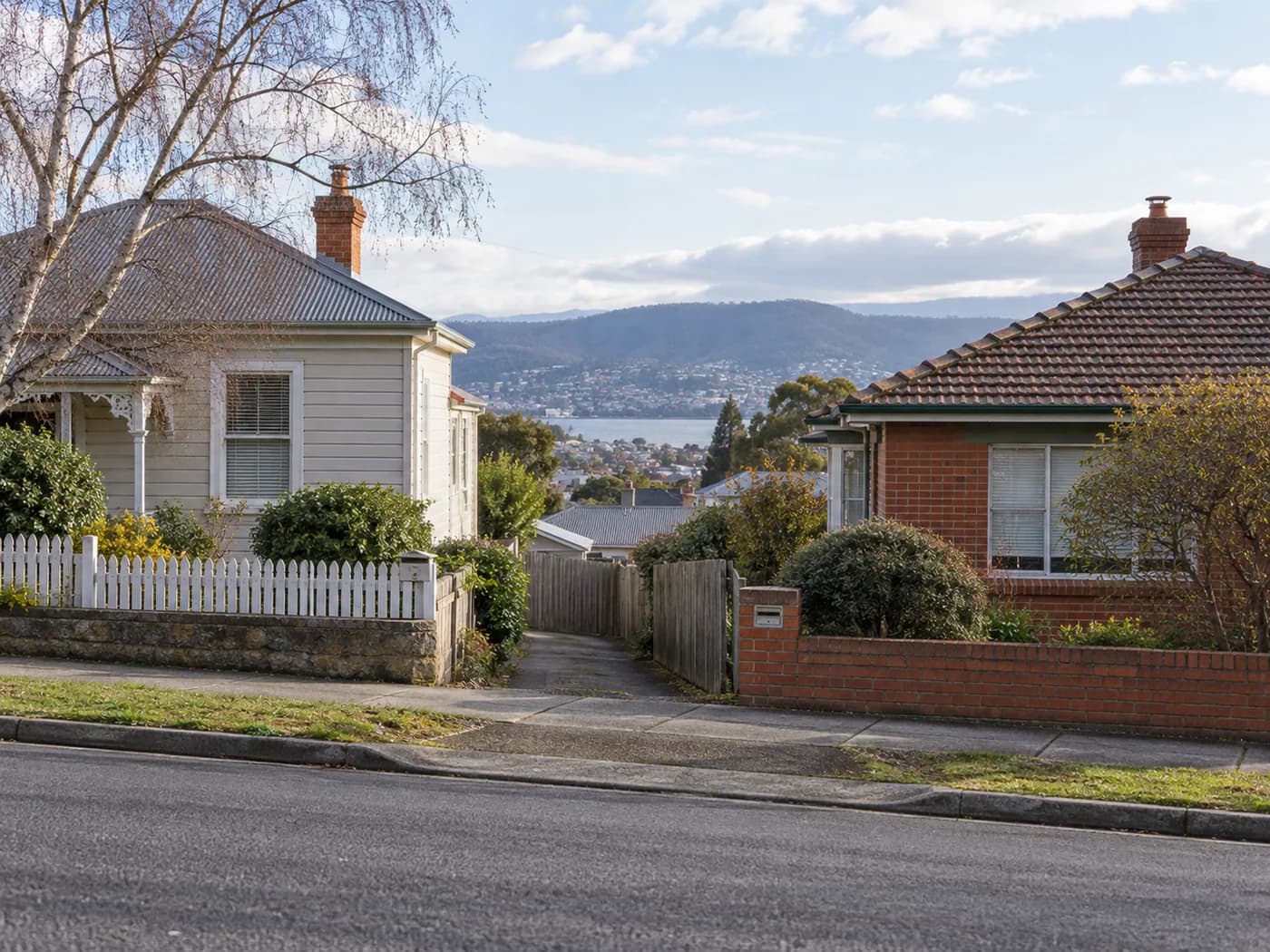
Local property coverage
Why Hobart Properties Are Particularly Vulnerable
Hobart presents a unique combination of factors that make dilapidation reports especially important for property owners. Understanding these local conditions helps explain why protecting your property with a pre-construction report is a smart decision, not just a bureaucratic formality.
Heritage and Older Buildings
Hobart is one of Australia's oldest cities, and many suburbs, particularly Battery Point, North Hobart, South Hobart, and parts of the CBD, contain heritage-listed or older buildings with sandstone foundations, lime mortar, timber framing, and original plaster finishes. These materials are more susceptible to damage from vibration and ground movement than modern reinforced concrete construction. Even moderate construction activity nearby can cause disproportionate damage to these older structures, and repairs to heritage buildings are typically far more expensive than standard building repairs.
Hilly Terrain and Ground Conditions
Hobart is built on and around Mount Wellington (kunanyi), with many suburbs sitting on steep slopes with variable soil conditions including dolerite, mudstone, and clay. When excavation or heavy construction occurs on sloping sites, the risk of ground movement affecting neighbouring properties increases significantly. Retaining walls, drainage patterns, and natural water flow can all be disrupted, leading to settlement, subsidence, or lateral movement of soil beneath adjacent buildings.
Growing Construction Activity
Hobart has experienced significant growth in construction activity over recent years. Major infrastructure projects, urban infill developments, apartment buildings, and suburban expansion in areas like Kingston, Howrah, and Glenorchy mean that more properties than ever are exposed to nearby construction. Council development approvals frequently include conditions requiring dilapidation reports, and builders who do not comply risk delays, disputes, and costly legal proceedings.
What a Dilapidation Report Captures
See how pre-construction documentation compares to post-construction findings. These examples show why having a baseline record matters.
Heritage Sandstone Wall
Battery Point, Hobart
Pre-Construction Condition
- Minor hairline crack (0.2mm) in mortar joint at 1.4m height
- Surface weathering consistent with age (est. 120+ years)
- Pointing intact with no visible moisture ingress
- Stone faces show normal patina, no spalling observed
- Wall plumb within acceptable tolerance (2mm/m)
Concrete Driveway
Sandy Bay, Hobart
Pre-Construction Condition
- Surface in good condition with normal wear patterns
- Single control joint crack (hairline, non-structural)
- No evidence of settlement or heaving
- Drainage falls functioning correctly to street
- No staining or chemical damage observed
Internal Plaster Walls
North Hobart, Hobart
Pre-Construction Condition
- Walls in good condition, recently repainted
- Minor settlement crack above doorframe (common, stable)
- No visible nail pops or plaster delamination
- Cornice and ceiling junction intact throughout
- All door frames operating freely, no binding
What Hobart Property Owners Say
“The report was incredibly thorough. Every crack, every surface was documented before the next-door renovation began. When damage occurred, we had clear evidence to support our claim.”
Sarah M.
Battery Point — Residential Dilapidation Report
Frequently Asked Questions
Ready to Protect Your Property?
Do not wait until construction damage has already occurred. Contact us today for a free, no-obligation quote and we will connect you with a qualified building surveyor in your area.